

Let’s be honest.
When someone says they want their brand to look “professional,” they usually mean:
Clean font.
Neutral colours.
A tasteful little icon.
Nothing too loud.
Nothing too strange.
Nothing that could possibly offend Susan from Accounts.
And then they wonder why nobody remembers them.
Professional branding is not the problem. Boring branding dressed up as professionalism is.
There is a difference.
A brand can be polished, trustworthy and beautifully designed while still having a personality. But many businesses remove every interesting part of themselves because they are terrified of looking unprofessional.
The final result is technically correct.
It is also giving corporate waiting room.
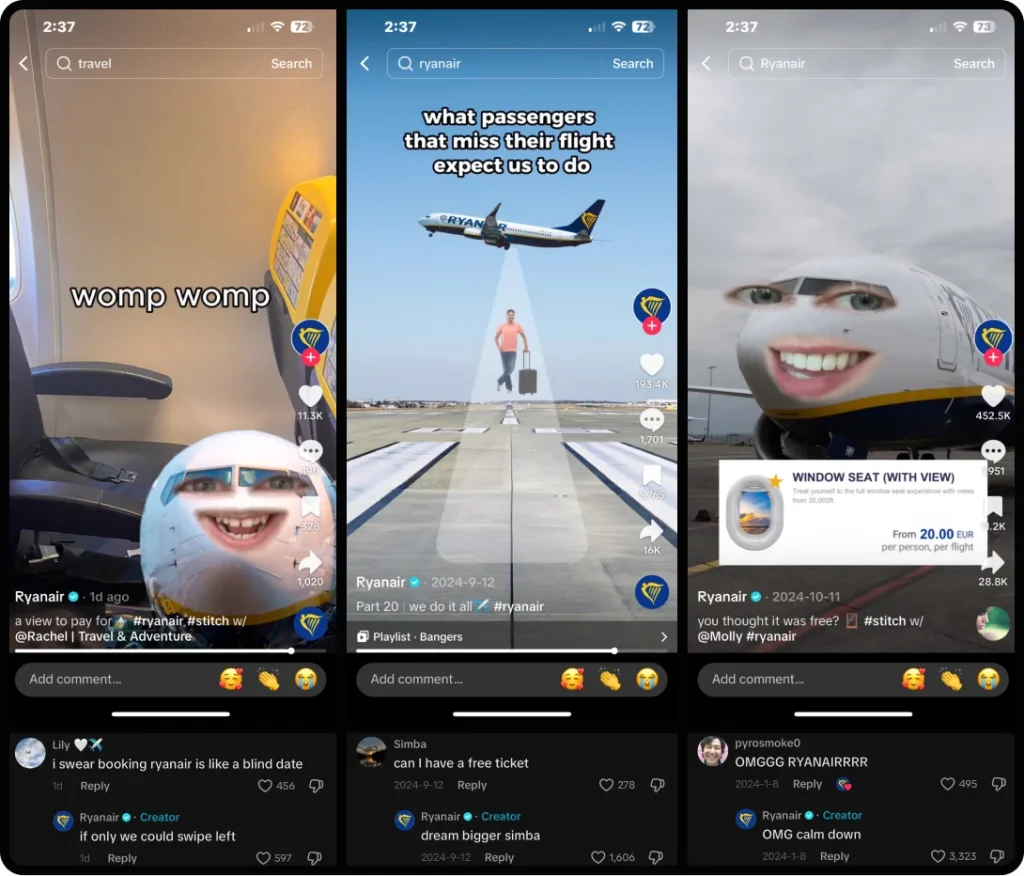
Your brain notices what feels different
People scroll past hundreds of posts, ads, websites and business names every day.
Most of them look perfectly fine.
That is exactly why they disappear.
Our attention naturally catches on things that interrupt a familiar pattern. An unusual colour combination. A strange sentence. A brand name that makes you pause. A visual that looks nothing like the other businesses in the category.
Basically, your brain is scrolling peacefully, sees something slightly unhinged and says:
“Wait. What is that?”
That pause matters.
You cannot become memorable if people never stop long enough to notice you.
This does not mean every brand needs to use neon green, chaotic graphics and a mascot that looks like it escaped from a fever dream.
It means your brand needs something distinctive enough to interrupt autopilot.
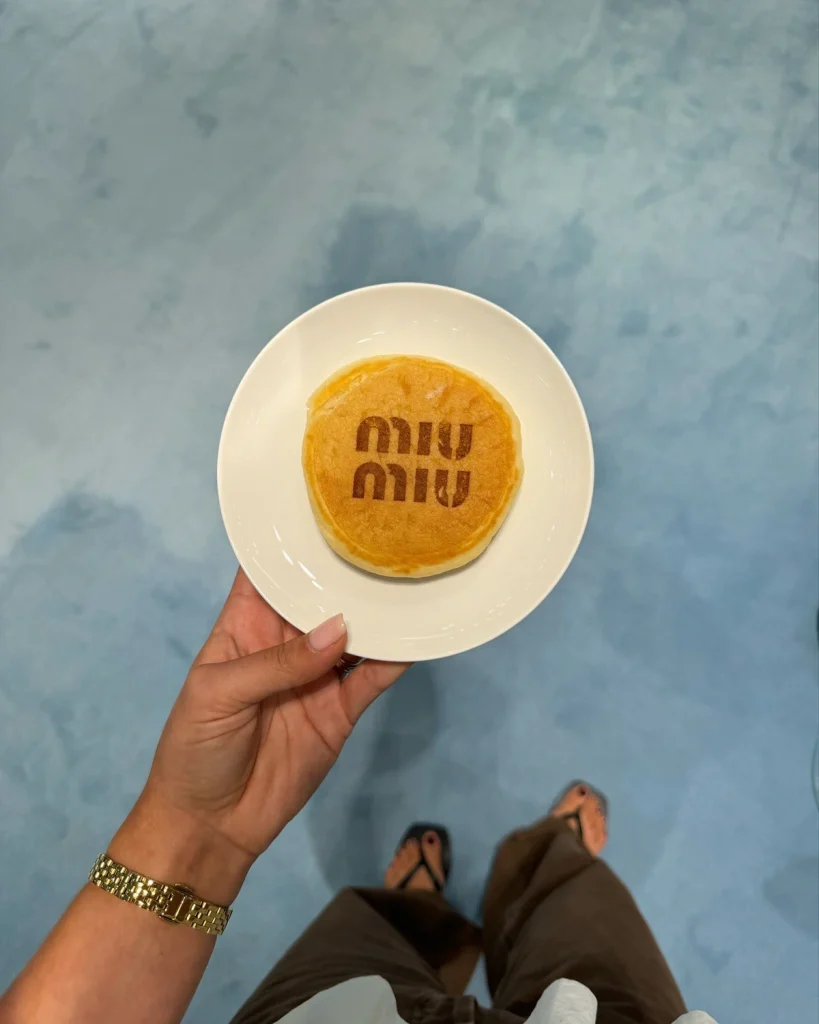
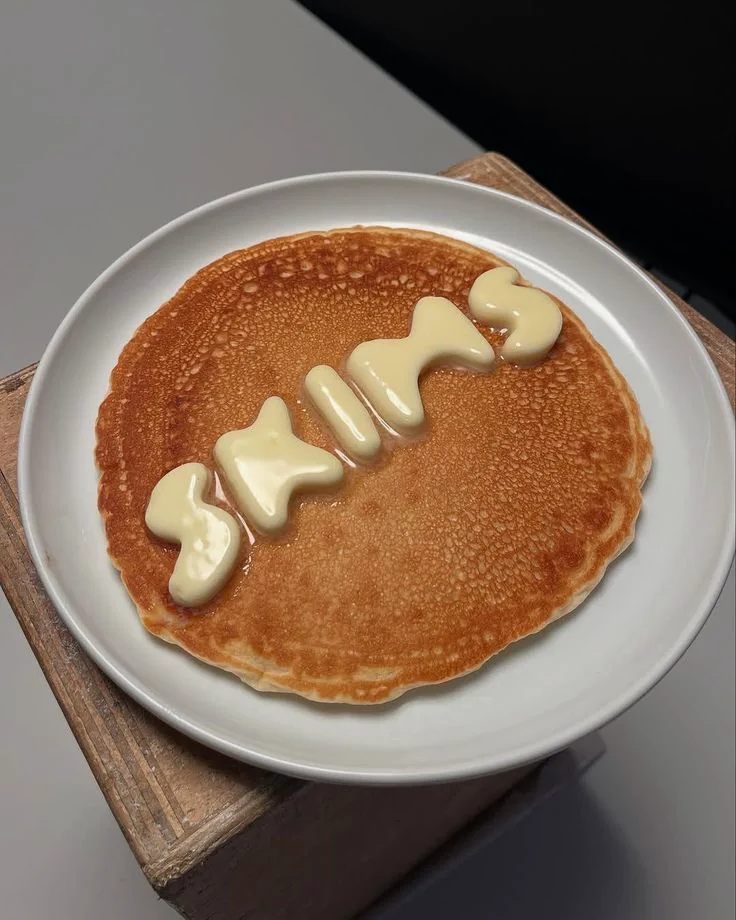
Weird brands give people something to talk about
Nobody messages their friend and says:
“You have to see this company. Their branding is extremely appropriate.”
People share brands that make them feel something.
Maybe the brand is funny.
Maybe it is bold.
Maybe the packaging is unusual.
Maybe the writing sounds like an actual person instead of a boardroom committee approving every comma.
The brand creates a reaction.
That reaction could be:
“I love this.”
“This is so clever.”
“This is ridiculous.”
“Why does this work?”
Even confusion can create curiosity when it is intentional.
What rarely creates curiosity is:
“Welcome to our business. We are passionate about providing excellent service and exceeding expectations.”
Groundbreaking. Revolutionary. Nobody has ever exceeded an expectation before.
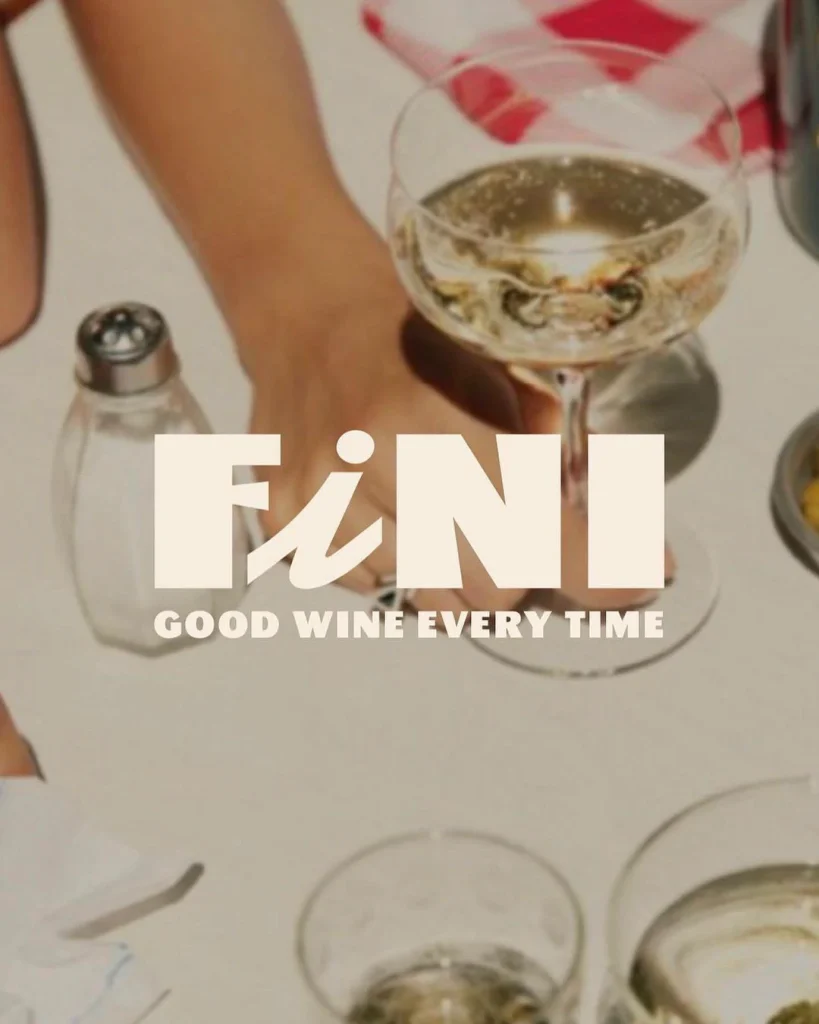
Professional brands often try too hard to be liked by everyone
This is where many businesses lose their personality.
They want to appeal to everyone.
Young people. Older people. Luxury customers. Budget customers. Corporate clients. Small businesses. People who love colour. People who hate colour. People who apparently have strong emotional opinions about rounded fonts.
So the brand becomes softer, safer and more generic.
Nothing is too specific because specificity might exclude someone.
But when you try to appeal to everyone, nobody feels like the brand was made for them.
Weird brands are often more comfortable choosing a side.
They know their sense of humour.
They know the type of customer they want.
They know what they believe.
They are not trying to be universally acceptable. They are trying to be deeply relevant to the right people.
That confidence is attractive.
It tells the audience:
“We know who we are.”
Meanwhile, the safe brand is still deciding whether the word “fun” sounds professional enough.

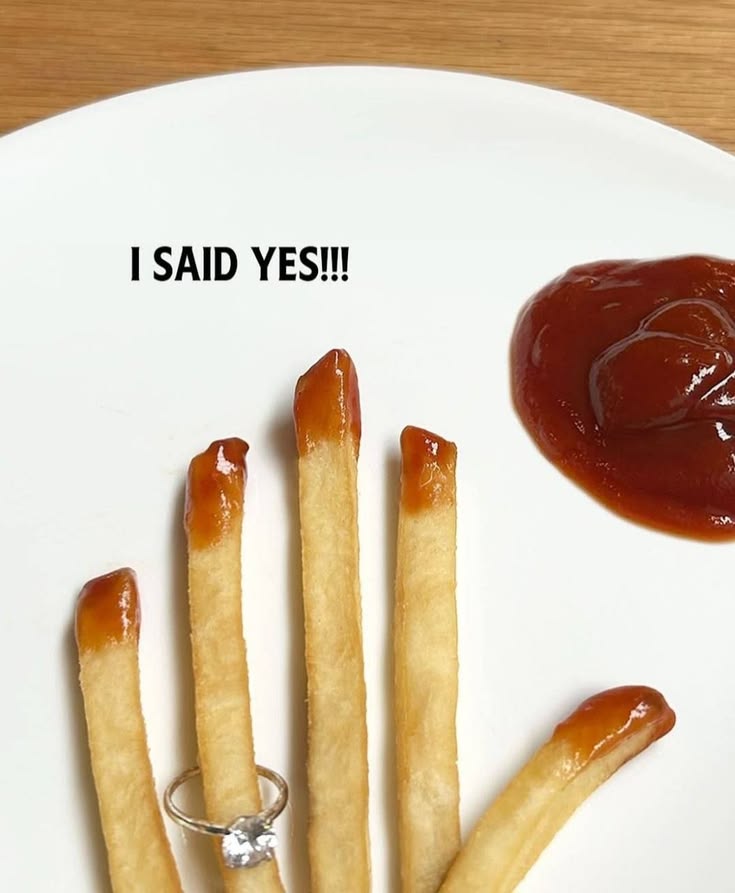
Weird does not mean random
This part matters.
Being distinctive is not the same as throwing strange ideas at the wall and hoping one becomes a personality.
There needs to be intention behind it.
A weird brand works when the unusual parts still connect to the business, audience and message.
The humour should feel natural.
The visuals should support the positioning.
The tone should make sense for the people you want to attract.
A funeral home probably should not use chaotic meme language unless it has a very carefully considered reason.
Context is still invited to the meeting.
Good weird branding is strategic.
Bad weird branding feels like the social media intern found Canva and caffeine at the same time.
Familiar industries benefit most from unusual branding
Some industries are visually trapped in a group project.
Law firms use navy blue.
Beauty brands use beige.
Tech companies use gradients.
Financial brands use serious-looking people pointing at invisible charts.
Creative agencies use vague words like “innovative,” “dynamic” and “solutions.”
Everyone looks different in exactly the same way.
This creates an opportunity.
The more predictable your industry looks, the easier it is to stand out with one unexpected choice.
You do not always need a complete rebellion.
Sometimes the difference is simply:
A more human tone.
A sharper point of view.
A colour nobody else in the category uses.
A website that does not begin with “Welcome to.”
A brand image that shows real personality instead of stock-photo people laughing at salad.
Small differences become powerful when everybody else is copying the same formula.
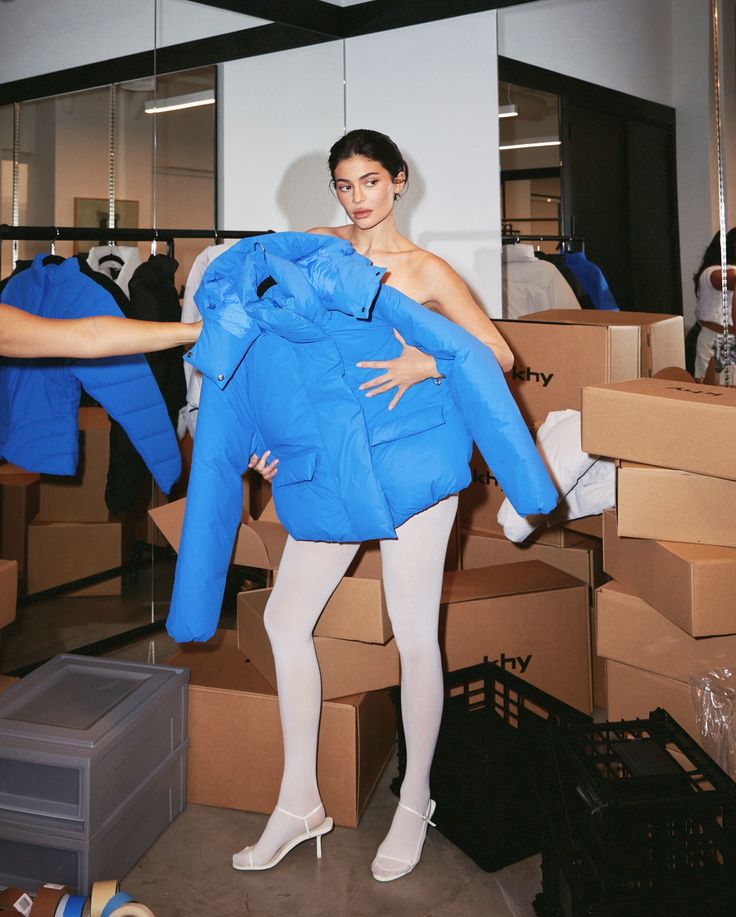
People trust personality more than perfection
There was a time when businesses believed they needed to sound extremely formal to be taken seriously.
That era is slowly packing its bags.
People are surrounded by polished advertising. They know when content has been rehearsed, approved, edited and stripped of every trace of human life.
They are not necessarily looking for perfection.
They are looking for signals that there are real people behind the business.
A slightly unusual phrase can feel more trustworthy than a perfectly written corporate statement.
A behind-the-scenes mistake can create more connection than another flawless campaign.
A brand that admits what it is not can often feel more confident than one claiming to be everything.
Personality makes a business feel identifiable.
And identifiable brands are easier to trust because people know what to expect from them.
The internet made bland branding harder to survive
Years ago, looking professional may have been enough.
A decent logo, proper website and consistent colour palette could immediately make a small business appear established.
Now everybody has access to templates, AI tools, website builders and design platforms.
The baseline has moved.
Almost any business can look polished.
Which means polished is no longer automatically impressive.
It is the minimum.
The real difference is now taste, perspective, creativity and personality.
AI can help produce one hundred captions before lunch.
It can also help one hundred businesses sound exactly the same before lunch.
That is not efficiency. That is a beige content emergency.
The businesses that stand out will not necessarily be the ones producing the most.
They will be the ones with something recognisable to say.
A professional brand should still have a pulse
The goal is not to become weird for attention.
The goal is to stop using professionalism as an excuse to remove every memorable quality from your brand.
You can be reliable and interesting.
You can be credible and funny.
You can be premium and unexpected.
You can look polished without looking like the visual equivalent of hold music.
The strongest brands understand that professionalism builds trust, but personality builds memory.
You need both.
Because people may respect a professional brand.
But they remember the one that made them stop, laugh, think or look twice.
So, should your brand become weirder?
Maybe.
But first, ask better questions.
Instead of asking:
“Does this look professional?”
Ask:
“Does this look like us?”
“Would our audience recognise this without seeing the logo?”
“Is there anything here worth remembering?”
“Could this belong to any other business?”
“Are we being clear, or are we just being safe?”
Your brand does not need to shout louder than everyone else.
It needs to sound different enough that people know the voice belongs to you.
Because in a world full of brands trying to look correct, the slightly weird one usually gets the second look.
And the second look is where attention begins.
Final thought
Being professional gets you into the room.
Being distinctive gives people a reason to remember you were there.
So yes, tidy the logo. Fix the website. Use the correct spelling.
But please, for the love of marketing, leave some personality alive.
Collaboration is at the heart of what we do. Our team thrives on the synergy that arises when unique perspectives converge, fostering an environment of boundless creativity.